From research to outreach: HIBISCUS’ first year across Europe

During its first year, HIBISCUS has actively engaged with the European bioeconomy, construction and research communities through a wide range of industry events, scientific conferences and collaborative initiatives.  From showcasing innovative bio-based building materials to sharing early research activities and connecting with key stakeholders, these opportunities have helped raise awareness of the project’s ambitions and… Continue reading From research to outreach: HIBISCUS’ first year across Europe

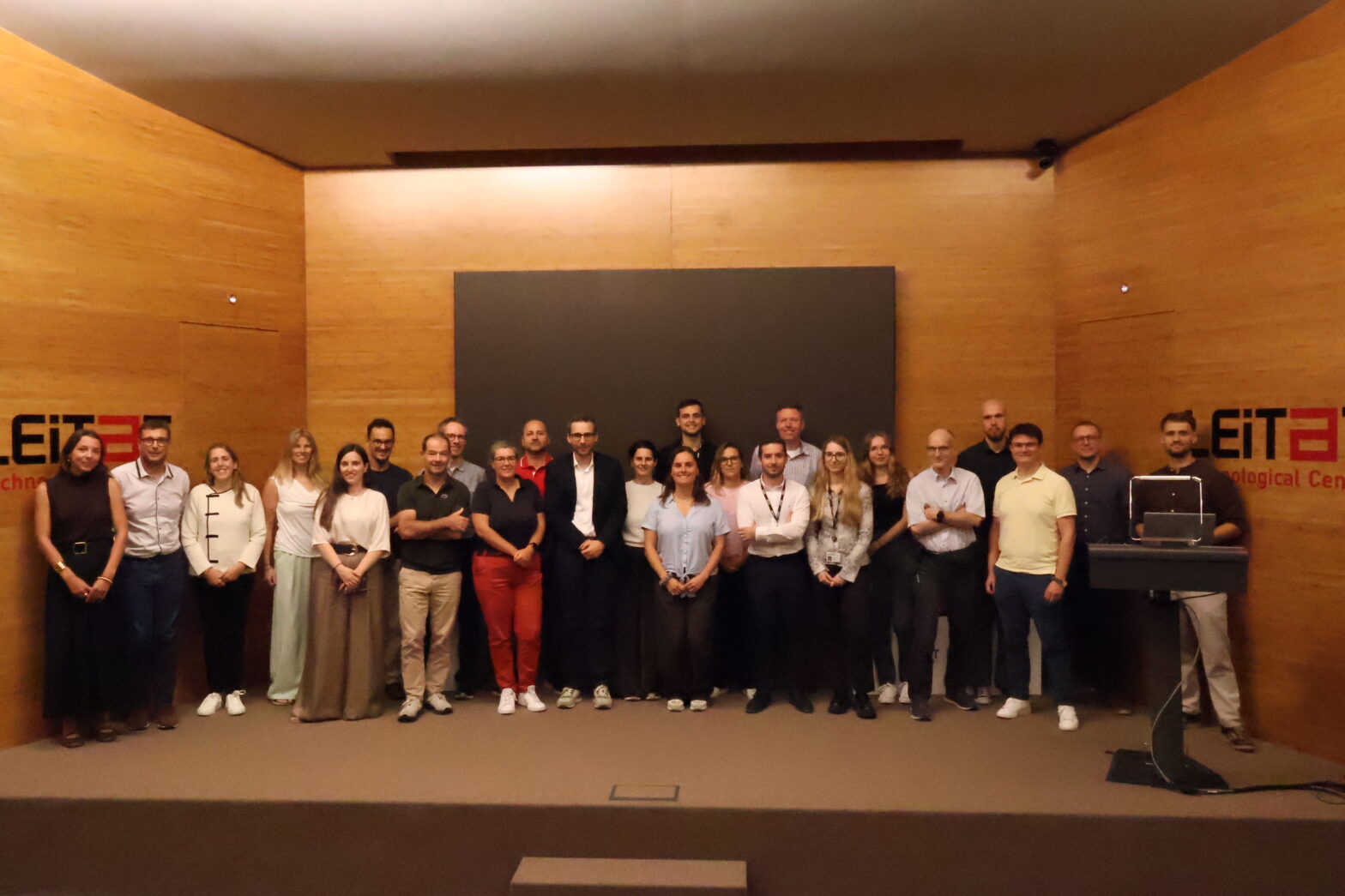
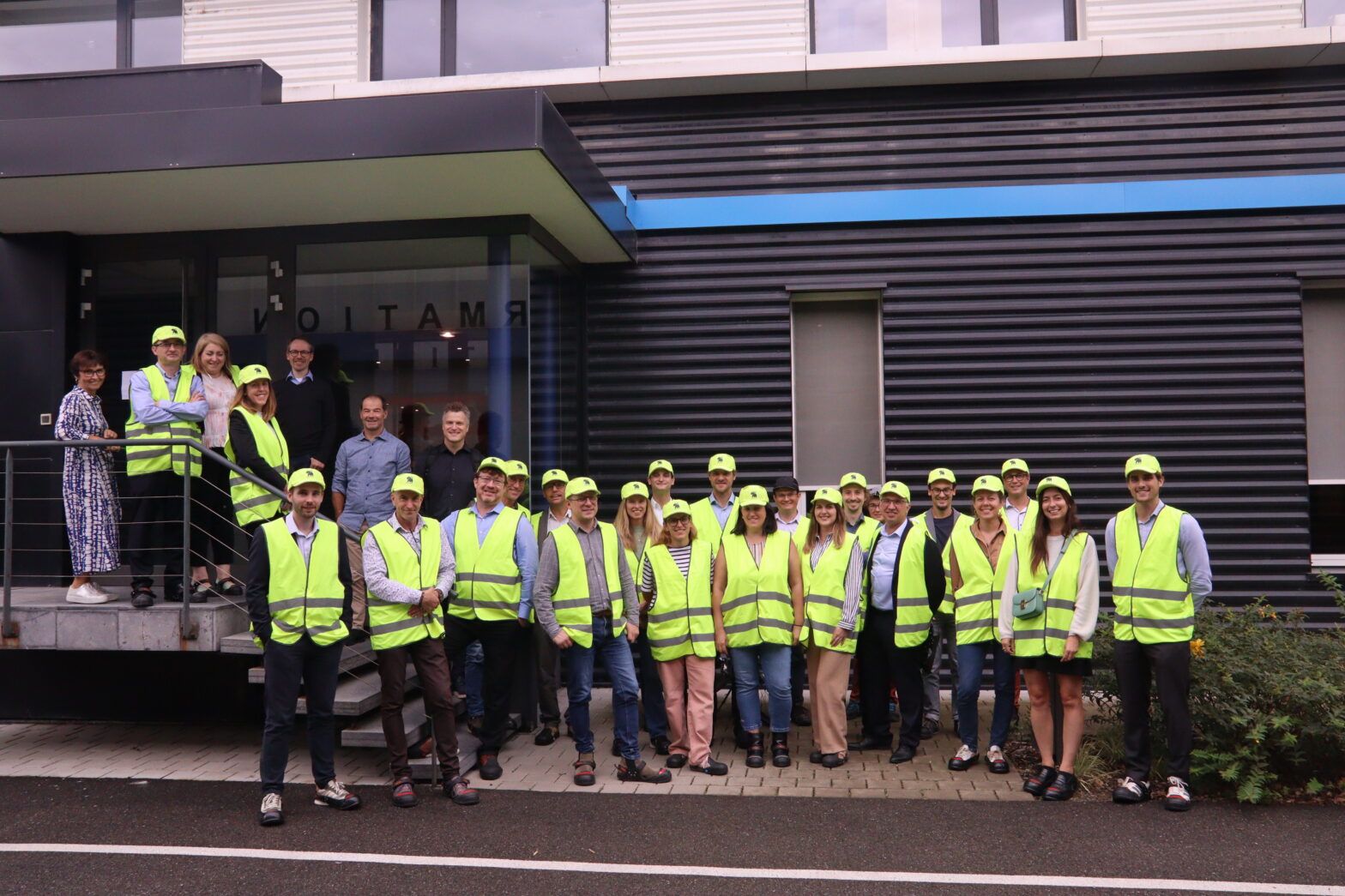
HIBISCUS partners gather in Barcelona to review first-year progress and explore innovative bio-based building materials

On 30 September and 1 October 2026, the HIBISCUS consortium gathered in Barcelona, Spain, for its second Steering Committee meeting. The two-day event brought partners together to review the project’s first year of progress, exchange on technical developments and sustainability challenges, and discover innovative technologies through visits to LEITAT and INDRESMAT. One year after the… Continue reading HIBISCUS partners gather in Barcelona to review first-year progress and explore innovative bio-based building materials

Rethinking insulation materials: from environmental impacts to bio-based solutions

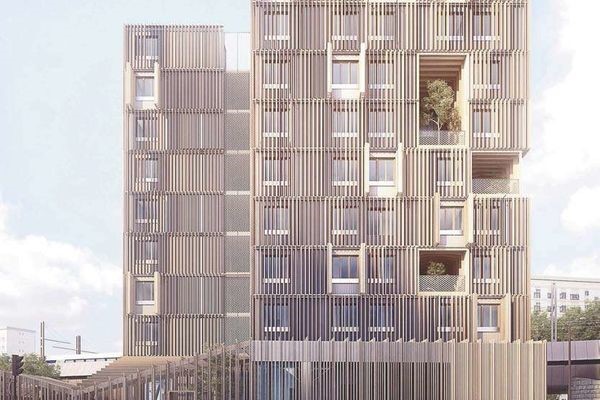
Figure 1. Le Grand Charles, SOPREMA's headquarters in Strasbourg, France. An example of contemporary architecture integrating sustainability considerations. © Sequence Productions / SOPREMA.

Insulation makes buildings more comfortable and energy-efficient, but its environmental performance depends on more than what happens after installation. Buildings and construction account for around 32% of global energy demand and 34% of global CO₂ emissions[1]. Insulation can reduce the energy needed for heating and cooling, but producing an insulation material also requires raw materials,… Continue reading Rethinking insulation materials: from environmental impacts to bio-based solutions

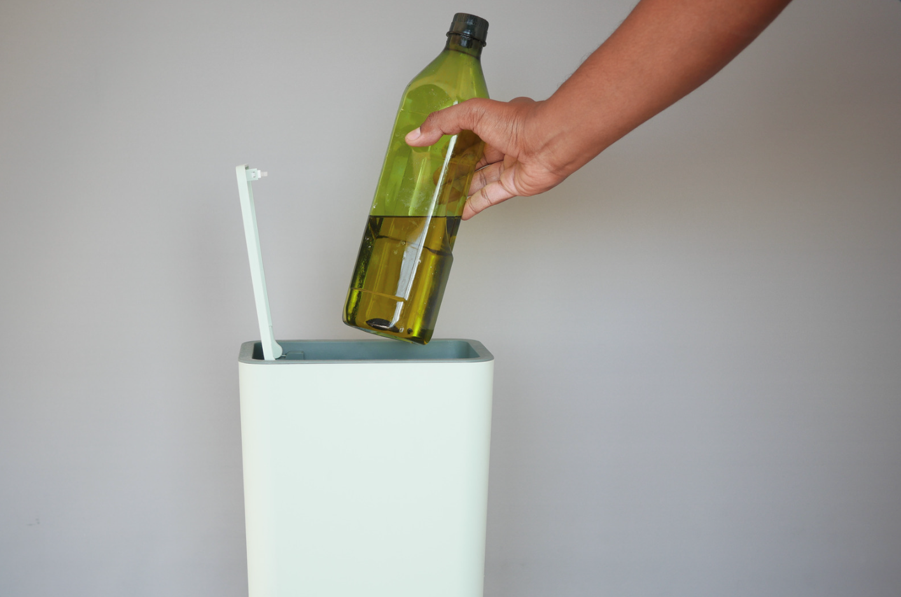
From kitchens to construction: The second life of used cooking oil

From everyday cooking to new industrial applications, used cooking oil can become a resource for fuels, chemicals and materials. After frying a meal, the oil left behind may seem to have reached the end of its useful life. Yet households, restaurants and food manufacturers generate a waste stream that still contains valuable molecules. Collecting this… Continue reading From kitchens to construction: The second life of used cooking oil

Why aren’t bio-based construction materials becoming mainstream ?

© AAVP Architecture / Romain Ghomari

New research suggests that the biggest barriers are no longer technological.   For years, discussions around bio-based construction materials focused on one question:  Can they really compete with conventional materials?   Today, the answer is increasingly yes.   Engineered timber, wood fibre insulation, cellulose insulation, bio-based polyurethanes and many other renewable materials have already demonstrated their technical performance in real construction applications. Yet despite growing scientific evidence… Continue reading Why aren’t bio-based construction materials becoming mainstream ?

Sustainable construction in Europe: Can bio-based materials change the game?

The construction sector in Europe: a major industry facing major challenges. The construction sector is one of the pillars of the European economy, but also one of its biggest environmental challenges. A key sector with heavy footprint Construction represents 11.5% of the EU’s Gross Value Added[1], shaping the spaces where we live, work and connect.… Continue reading Sustainable construction in Europe: Can bio-based materials change the game?

Meet the HIBISCUS Consortium: 12 partners and one affiliated entity shaping the future of bio-based construction materials

Behind HIBISCUS stands a diverse, multi-disciplinary consortium combining industrial leadership, scientific excellence, advanced pilot facilities, and strong innovation networks. Each partner plays a strategic role in developing, upscaling, testing, and deploying the project’s bio-based solutions. A unique collaboration across Europe The project unites 12 partners + 1 affiliated entity from France, Belgium, Germany, Spain, and… Continue reading Meet the HIBISCUS Consortium: 12 partners and one affiliated entity shaping the future of bio-based construction materials

HIBISCUS Project Launched: Europe invests in bio-based construction materials for a low-carbon future

The HIBISCUS project has officially launched, marking a major step toward transforming the construction industry through innovative, bio-based materials. Coordinated by SOPREMA and supported by eleven European partners and one affiliated entity , the project aims to reduce dependence on fossil resources and accelerate the shift toward circular, sustainable building solutions. The construction sector is… Continue reading HIBISCUS Project Launched: Europe invests in bio-based construction materials for a low-carbon future

From Renewable Feedstocks to High-Performance Building Materials: Inside the HIBISCUS Innovation Roadmap

HIBISCUS is redefining the future of building envelopes by replacing fossil-based components with next-generation bio-based alternatives. The project’s mission is clear: deploy safer, circular materials at scale while ensuring economic viability and compliance with stringent European standards. A complete european value chain HIBISCUS aims to build a fully integrated European value chain, from feedstock conversion… Continue reading From Renewable Feedstocks to High-Performance Building Materials: Inside the HIBISCUS Innovation Roadmap